Home and business buyers may compare the same brands, but they are not making the same decision. A household is choosing a system that fits a private site and a personal routine. A business is choosing equipment and support that must work within shared access, staff responsibilities, local rules and the economic consequences of interruption.
The word “commercial” is useful only when tied to a specific configuration, written intended use and applicable terms. It does not by itself establish local approval, a particular throughput level or a faster repair outcome.
Start with a plain-language use description
Write two or three sentences describing where the equipment will operate, who will use it, whether access is shared or paid, the expected routine and the site constraints. Give that description to every seller and ask for a configuration-specific response.
For a household, include indoor or outdoor placement, available space, access, weather exposure and who will do ordinary care. For a business, add the operating model, responsible staff, planned access, backup capacity and whether customers or members will use the equipment.
| Decision area | Home buyer | Business buyer |
|---|---|---|
| Site | Space, surface, delivery route, moisture and seasonal conditions | All home questions plus service access, customer flow and facility constraints |
| Water care | A routine one owner can complete | Named responsibility, records, missed-task response and applicable local requirements |
| Support | How an owner gets help at the address | Diagnostic, labor, travel, freight, uptime and multi-unit coordination |
| Cost | Purchase, site work, supplies and measured operation | Direct cost plus staffing, capacity contingency and service interruption planning |
| Terms | Household coverage and exclusions | Written confirmation for the planned use and each relevant configuration |
Compare the same complete system
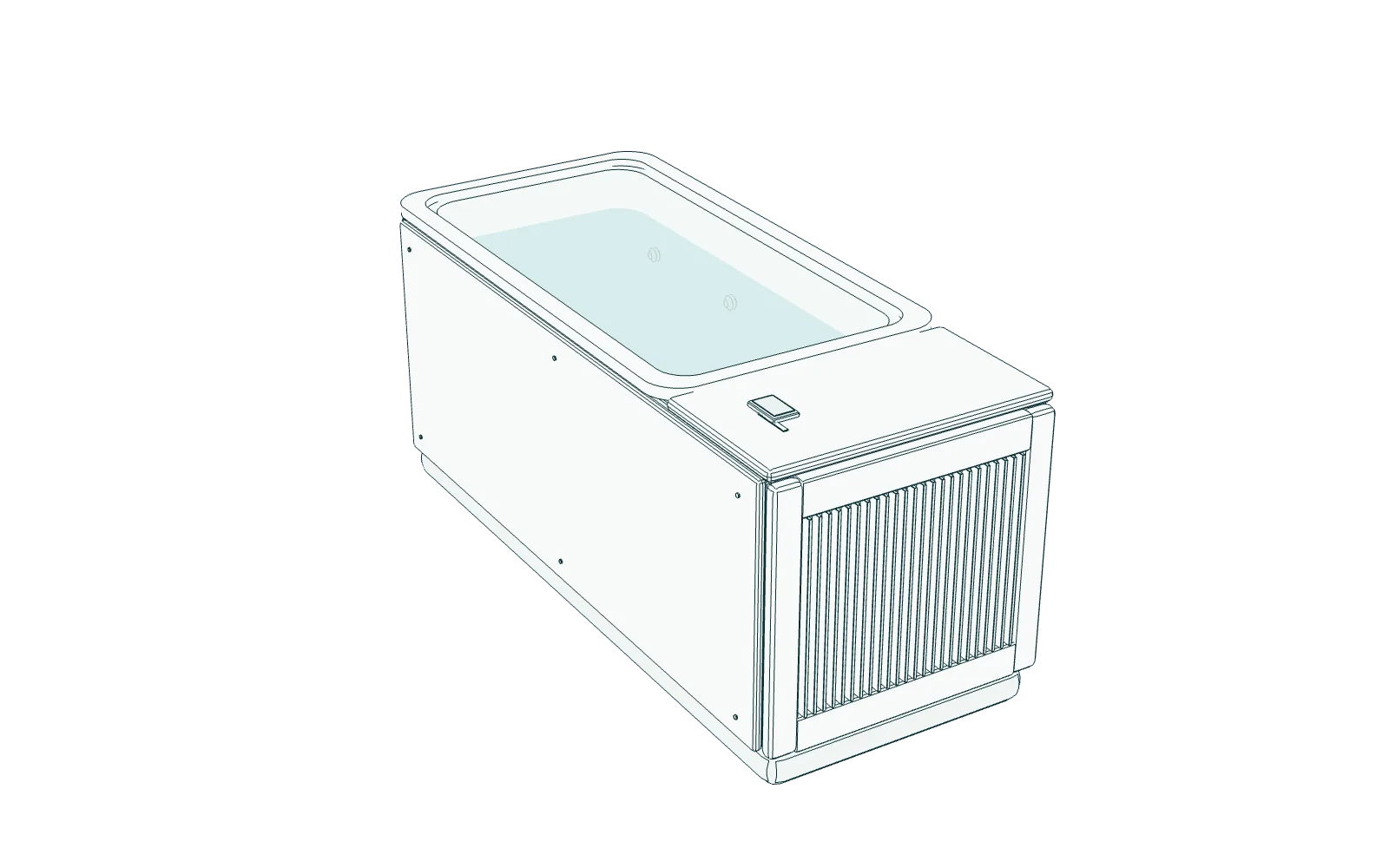
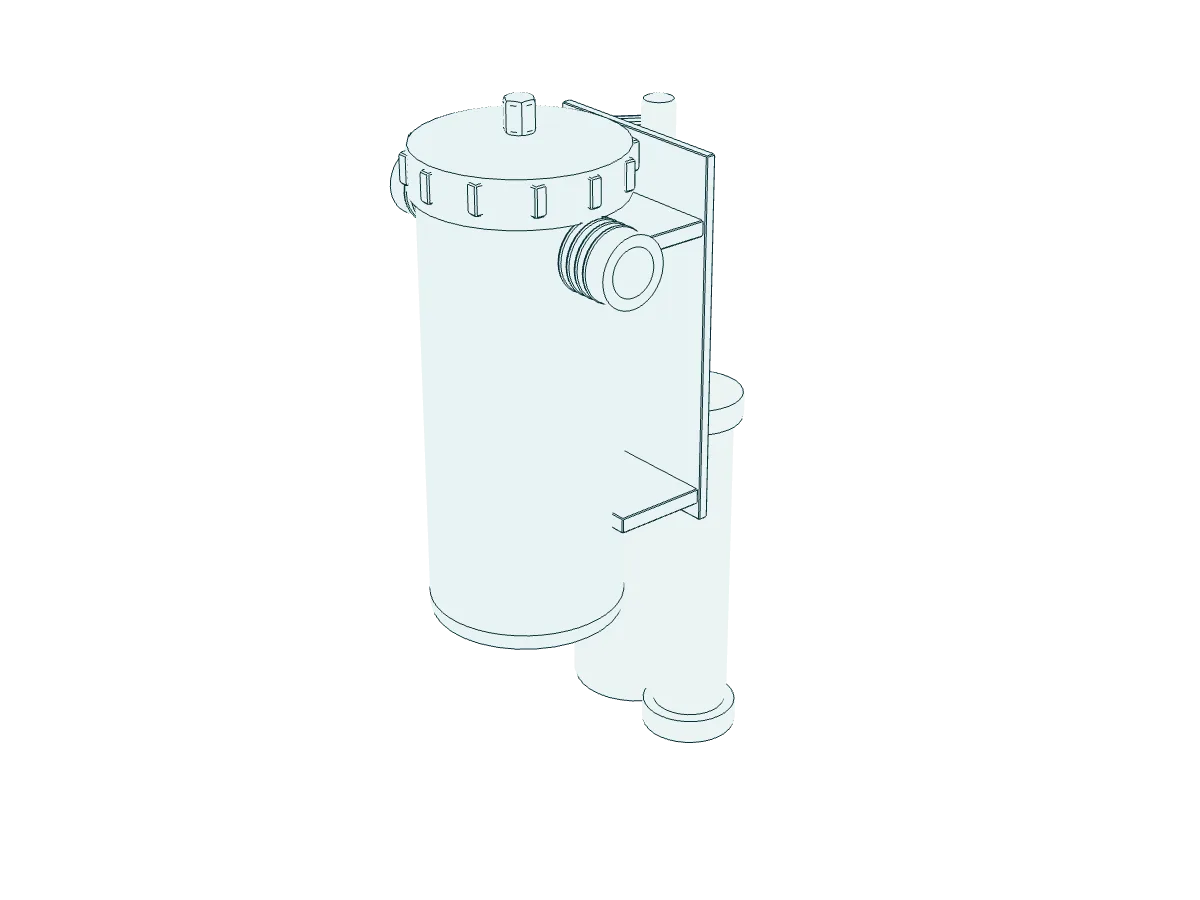
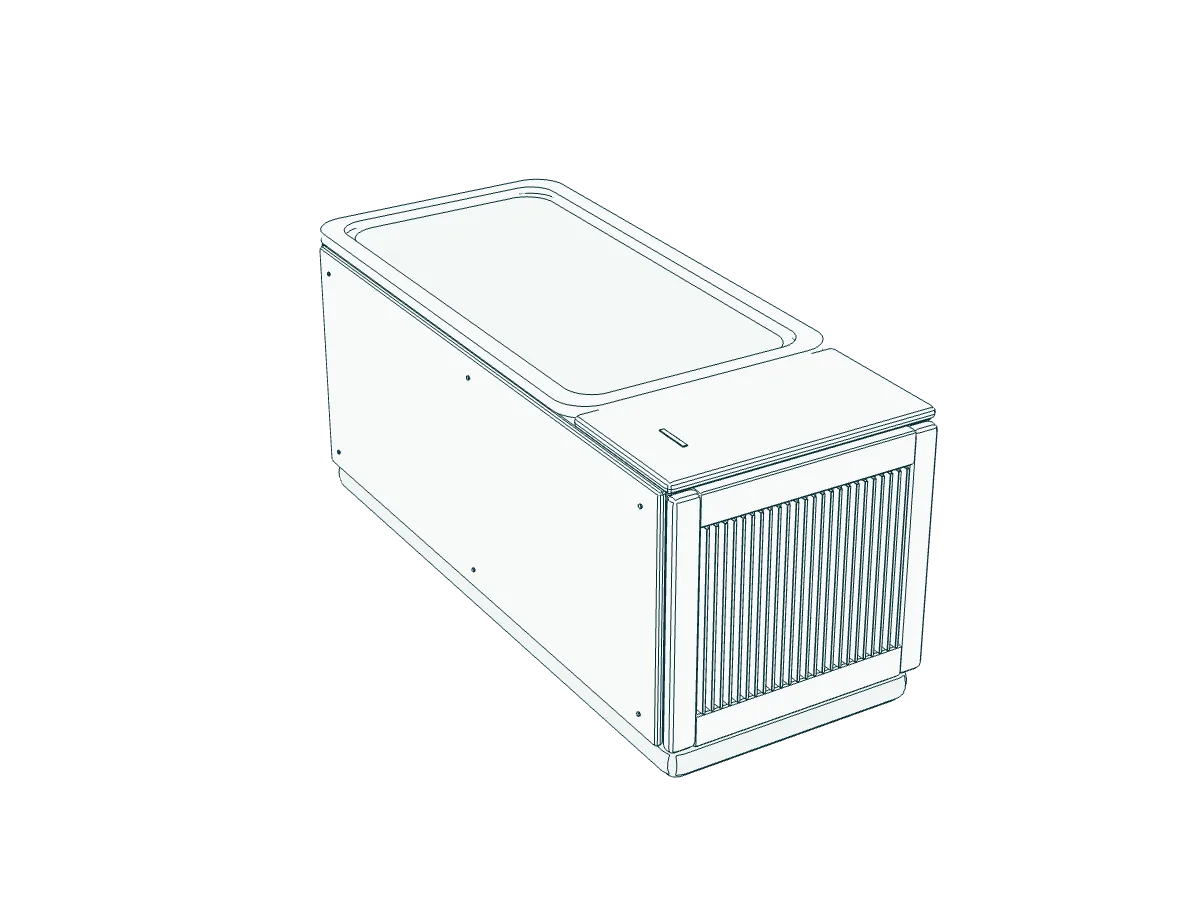
For every quote, list vessel, chiller, pump, filtration, treatment equipment, cover, options, installation requirements, manual revision, warranty and support route. Do not compare a complete quote from one vendor with a headline price from another.
Current product marketing can make optional equipment difficult to spot. Ask the seller to itemize exactly what the quote includes, which maintenance tasks the system assumes and whether any feature described on a webpage is an add-on. Keep the final quote and governing documents together.
Add a realistic operating plan for business use
For a facility, name the person responsible for opening checks, routine care, logs, vendor contact and taking a unit out of service. Identify which local authorities or qualified professionals must be consulted for the planned operation.
Ask the vendor to walk through a credible failure scenario: who diagnoses it, what work is covered, whether a part ships before return, whether travel and labor are included, and what happens if the first repair does not restore normal operation. A service promise should be written down beside the price.
Current terms show why the full path matters. Renu’s current commercial policy covers named models for one year but says parts are the company’s responsibility while shipping-related costs, some travel and removal can remain with the customer; remote support and owner-performed replacement are the described starting point. BlueCube’s current warranty matrix presents commercial coverage separately and its governing PDF says travel or service charges can apply. These are current policy examples, not repair-time measurements or a prediction of either company’s response.
Renu commercial warranty · BlueCube warranty
Current manufacturer terms can distinguish intended use. Penguin’s current Cold Therapy Chiller page states that that particular product is not intended for commercial applications and directs commercial buyers to a different product line. That does not classify another vendor’s equipment; it shows why buyers should seek model-specific confirmation.
Penguin Cold Therapy Chiller product guidance
The inverse is also not enough on its own. A product page’s use of “commercial” does not establish local facility approval, a session count or a no-downtime service commitment. Ice Barrel’s current barrel and chiller terms are for personal, non-commercial use unless the company gives the barrel prior written consent for commercial or third-party-benefit use. Sun Home’s FAQ says commercial buyers receive separate commercial warranty terms at the point of sale and tells them to contact their account representative for a copy. Its Warranty Information page adds that commercial buyers will be required to review and sign separate commercial terms at the point of sale; that paragraph refers to the commercial products listed on that page. Obtain those terms before treating a residential page as a business option.
Ice Barrel warranty · Sun Home warranty FAQ
Keep capacity and revenue separate
Businesses often ask how many sessions a system can support. The responsible answer starts with actual operating constraints: local requirements, care procedures, staffing, turnover, temperature recovery, availability and observed demand. Do not convert a vendor’s general claim into a guaranteed session count.
If an interruption occurs, log unit availability, scheduled demand, substitutions, refunds and repairs separately. A unit-day unavailable and a dollar of lost contribution are different measures. The downtime-impact tool keeps that distinction visible.
Make the selection auditable
Choose the system with the clearest fit to the intended use, site, maintenance capacity and written support path. Use the model directory to start a shortlist and Compare to keep models aligned. Then attach unanswered questions to the quote rather than treating them as minor details.
That process benefits a household buyer and gives an operator a practical record for procurement, training and later service conversations.