Editorial analysis
“Replaceable parts” sounds reassuring, but it is not a complete service plan. A buyer should be able to document the route from a component problem to restored operation: identification, access, compatibility, authorization and a completed-repair check.
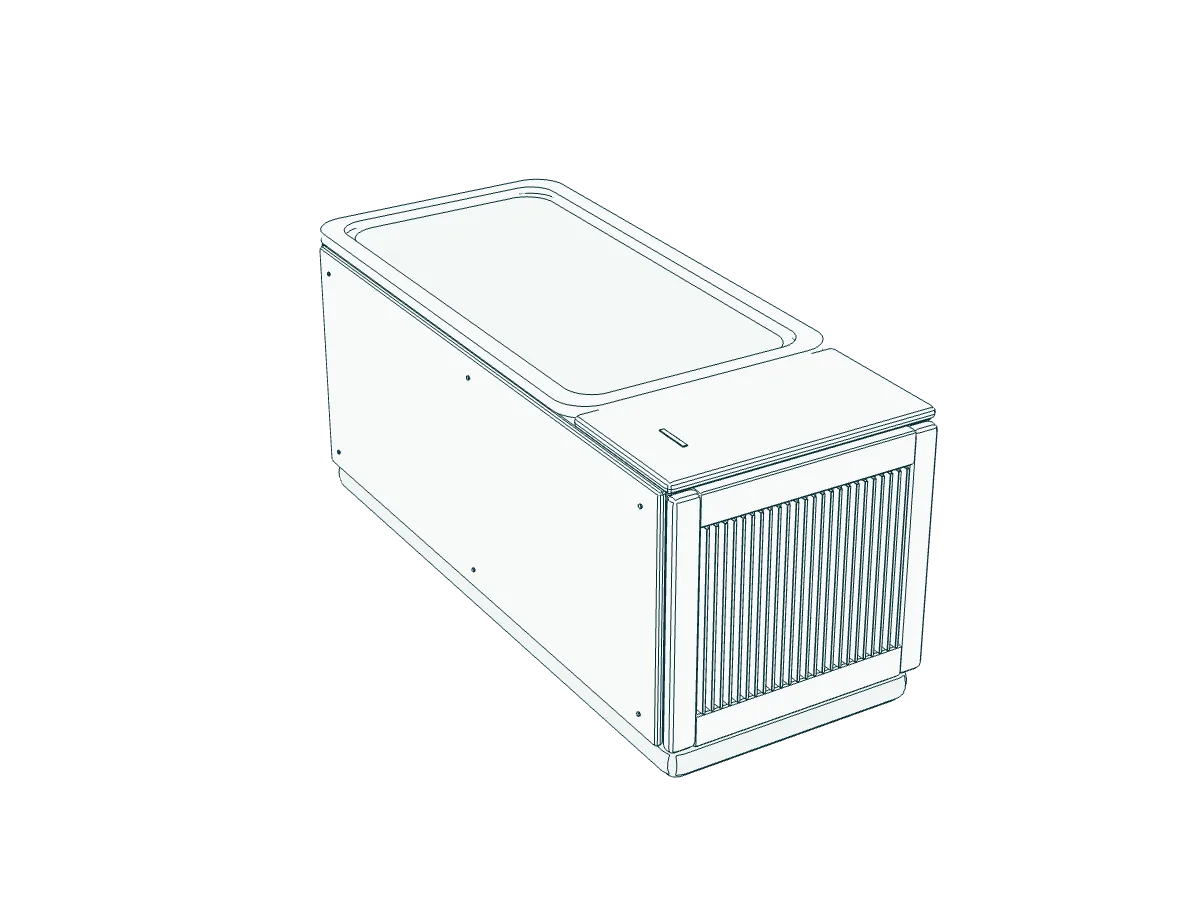
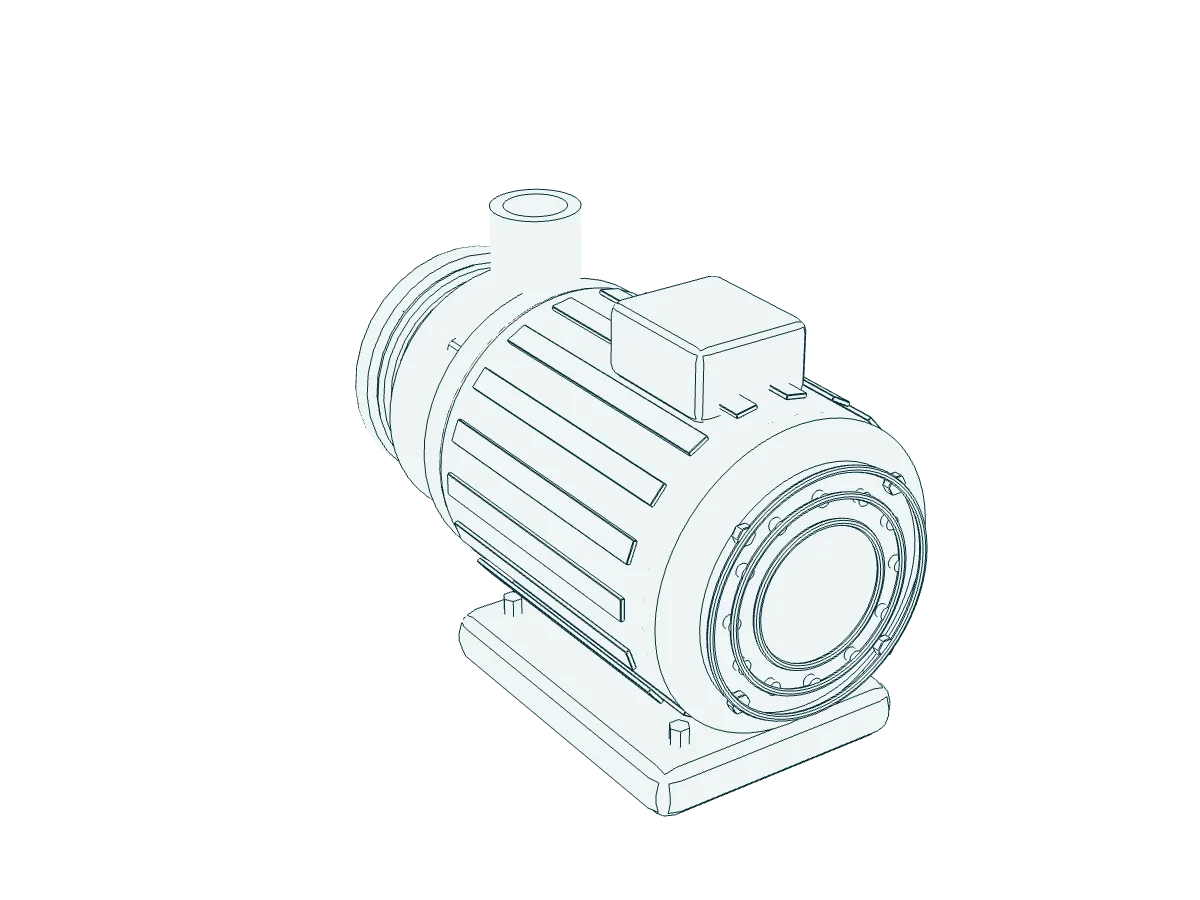
This is a buying criterion, not a prediction that one design will fail more often than another. A compact integrated unit can be the right choice for a constrained space. A separate chiller can make components easier to isolate. Either can be difficult to service if the physical access, documents and responsibilities are unclear.
Inspect what can be inspected before buying
Start with the mechanical boundary. Ask for the exact model’s manual, component diagram and installation drawing. A useful package identifies the vessel, cooling equipment, pump, filter, treatment components, controls, access panels and drain points.
| Inspectable difference | Why it matters | Tradeoff to understand |
|---|---|---|
| Accessible panels and service clearances | A technician can reach identified components without improvising around the installed site. | Panels and clearances consume space and may change the preferred placement. |
| Separate chiller and vessel | A problem may be isolated to a component outside the tub enclosure. | The system adds plumbing, fittings and placement requirements. |
| Integrated enclosure | The site may have a simpler visual and equipment footprint. | Ask exactly how internal components are reached and whether a repair requires moving the full unit. |
| Published parts and manuals | The owner and technician can identify the relevant generation and component. | A published diagram is not proof of stock, price or compatibility with every revision. |
| Named diagnostic route | The buyer knows who approves inspection, labor and next steps. | A named route is not a guaranteed appointment or repair completion time. |
These are practical distinctions a buyer can verify in the quote, manual and site plan.
Follow the repair chain, not the warranty headline
A warranty may cover a component while leaving other parts of the repair chain qualified. Compare diagnosis, labor, travel, shipping, removal, reinstallation and terms for a replaced component. The warranty comparison keeps those dimensions separate.
Renu Therapy’s home-use warranty describes remote support and owner-performed replacement as the starting route, with limited approved assistance. That may suit an owner who can follow the applicable instructions and arrange the work; it may not suit a location without that capacity.
Renu Therapy home-use warranty
Sun Home’s shared warranty materials mix product and date language. Their conditional sourcing estimate for specially sourced parts is not an observed repair average or a promise for a particular repair. Confirm exact plunge-order terms rather than importing lifetime headlines from another product category.
Neither example proves how either company performs in an actual repair. They show why a buyer should read the route, not just the duration.
The same principle applies when terms promise parts and labor. Plunge’s current residential All-In policy says covered work and material cost are not charged for eligible repairs, while access to a component, removal/reinstallation and some shipping or mileage can sit outside that statement. BlueCube’s current warranty says eligible parts and labor are covered through BlueCube or an authorized agent, while technician travel may be charged. These are current policy allocations, not evidence of the time, quality or outcome of a repair.
Plunge residential All-In warranty · BlueCube warranty
Make serviceability part of the comparison sheet
For each finalist, record the manual revision, component diagram, service access, diagnostic contact, required owner actions, parts-identification process and allocation of labor, travel and freight. Then note whether a technician can reach the panels, chiller and plumbing after installation.
For a business, add who can receive a part, authorize work, take the unit out of service and verify return to normal use. For a home, establish whether the owner needs local service support.
The strongest buying decision is not the one with the most ambitious service promise. It is the one whose complete repair path is visible, specific and workable at the buyer’s address.